If you have never had a tarot reading, the idea can feel both exciting and a little frightening. You may wonder what the cards will show. You may worry about hearing something painful. You may wonder whether you will know what to ask.
I am Mama Zahara. People often come to me with love questions after a breakup, during a troubled relationship, or when they feel unsure about a new connection. In this guide, I will explain how to prepare for a first tarot reading about love, how to frame questions that help, what tarot can and cannot show, and what the experience often feels like. My aim is that you walk into a reading feeling calm, clear, and respected.
What Is a Tarot Reading?
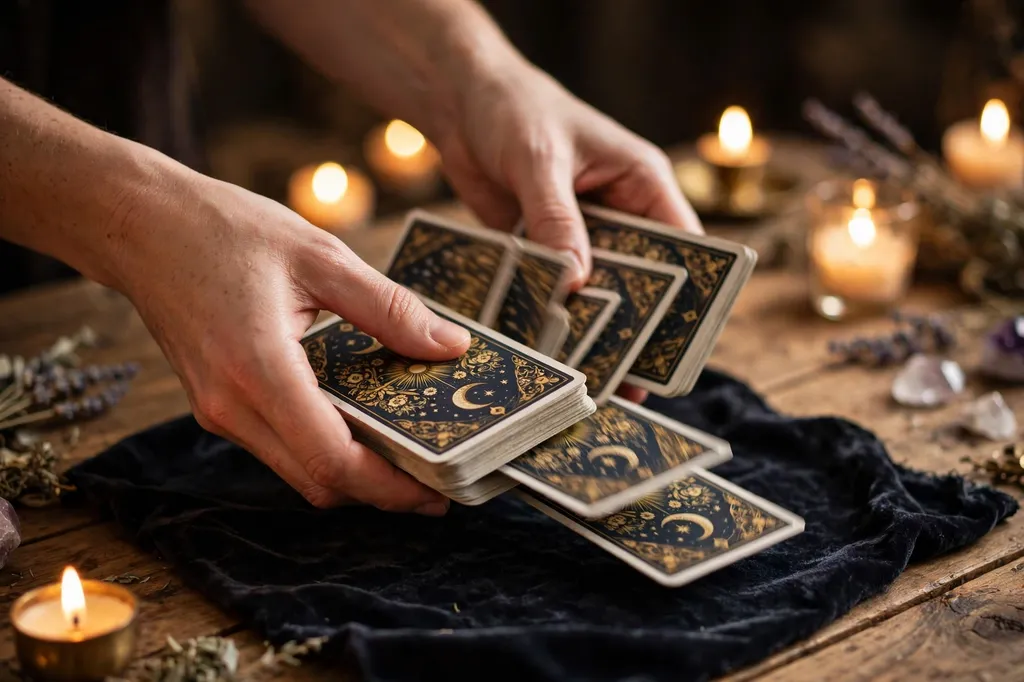
A tarot reading uses a deck of cards, each with its own image and meaning. A reader shuffles the cards, lays out a spread, and talks through what the cards suggest about your question. The cards do not speak on their own. The reader interprets images, themes, and patterns in light of your story.
Think of tarot as a mirror rather than a map. A map claims to show the one road ahead. A mirror shows what is present now: your feelings, patterns, hopes, and choices. A good reading helps you see your situation more clearly. It does not take your choices away.
What Tarot Can Show, and What It Cannot
Before your first reading, hold honest expectations. Tarot can help reflection. It can highlight patterns you missed. It can give language to feelings you struggled to name. It can suggest strengths to lean on and habits to watch. For many people, that clarity alone brings relief.
Tarot cannot force another person to act a certain way. It cannot read private thoughts with certainty. It cannot prove a relationship will return, or name a fixed day when something will happen. Anyone who promises those things is not offering honest guidance. They offer certainty where none exists. Treat that promise as a warning sign.
A reading also cannot replace your judgement. If it suggests patience, you still decide what patience looks like. If it suggests an honest conversation, you still choose the words and timing. The cards may offer a view. You remain the person who lives the life.
How to Frame a Good Love Question
The question you bring shapes the reading you receive. A vague question often leads to a vague answer. A clear, open question leads to a clearer conversation.
A good question is open, not closed. Instead of asking, “Will he come back?” try, “What do I need to understand about this breakup, and what would help me heal or reconnect honestly?” The first asks for yes or no. The second invites insight you can use.
A good question focuses on you and your choices. You cannot control another person’s free will, and a reading should not pretend otherwise. Questions about your own path help far more than questions that try to pin down someone else.
A good question is honest about what you truly want to know. If you fear hearing something painful, say so. A kind reader will handle sensitive themes with care. Bring your real question, in your real words.
Here are questions that often lead to helpful readings:
- What pattern in my love life keeps repeating, and how can I understand it?
- What is blocking honest communication between us right now?
- What do I need to heal in myself before I seek love again?
These questions ask for understanding, not control. They leave room for growth. They treat love as something you take part in, not something that happens to you.

What a First Reading Feels Like
Many people feel nervous before a first reading. That is normal. You may worry about being judged, crying, or hearing something unwelcome. A good reading should feel like a calm conversation, not a test.
At the start, the reader will ask what brings you and what you hope to understand. You do not need a perfect speech. A few honest sentences are enough. “I went through a breakup, and I feel lost” is a fine place to begin.
The reader will shuffle and lay out the cards, and talk through them one by one. You may be invited to share what an image brings to mind. You may be asked whether a theme feels true. This back-and-forth is part of the reading. It shows the reader is listening to you, not just to the cards.
Some parts may feel comforting. Others may feel challenging. A card about endings may stir sadness. A card about beginnings may stir hope. Both feelings are welcome. A kind reader will give you time and explain in plain words. You may ask questions, say you do not understand, or pause. A reading is for you, and your comfort matters.
Choosing a Reader You Can Trust
Trust matters in any reading. A trustworthy reader is honest about limits. They will not promise fixed outcomes, fixed days, or certain reunions. They will not claim only they can remove a curse, or that you must pay again and again. Those are pressure tactics, not spiritual care.
A trustworthy reader listens more than they lecture. They ask about your story. They explain cards in plain language. They respect your beliefs and boundaries. They do not frighten you into decisions, or ask you to keep the reading secret from everyone you trust.
If a reader makes you feel frightened, rushed, or small, you may stop the reading. You may say no. You may walk away. Real guidance should leave you calmer and clearer, even when themes are hard. If it leaves you feeling trapped, that feeling is important information.
If you are weighing different kinds of guidance, read about a psychic, astrologer, or spiritual healer. If a reading raises questions about love spells, learn before you decide, and read whether love spells are safe before any further step. Good guidance supports your freedom. It does not remove it.

Frequently Asked Questions
What should I ask in my first tarot love reading?
Ask an open question about understanding and choice, such as what pattern keeps repeating, or what needs healing before reconnection. Questions about your own path help more than questions that try to control another person.
Can tarot tell me if my ex will come back?
No, not with certainty. Tarot can highlight feelings, patterns, and choices, but it cannot prove a reunion or name a fixed day. Be wary of any reader who promises such certainty.
Do I need to believe in tarot for a reading to help?
You do not need a fixed belief. An open, curious mind is enough. Many people value the reflection and clarity a reading offers, even when unsure how tarot works. Take what feels true, and leave the rest.
What if the reading brings up something painful?
It is normal to feel moved. A kind reader will give you time and explain themes gently. You may pause, ask questions, or stop. Afterward, give yourself quiet time, and speak to someone you trust if you need support.
If You Would Like a Reading or Guidance
If you are thinking about a first reading, you do not have to face your questions alone. You can explore accurate palmistry readings to learn about another form of guidance, or reach out through my contact page and tell me what is on your heart. I will listen with care, I will be honest with you, and we will take it one calm step at a time.